Blog
The Joy of Swedish Death Cleaning
Might be a rather extreme funeral, but ....
How Scandinavian people see LIFE and DEATH
They tend to see life as largely defined by a pursuit of balance, community responsibility and an intense connection to nature. Unlike many cultures that focus on individual achievement, Nordic societies tend to prioritise collective well-being and finding satisfaction in "just enough".
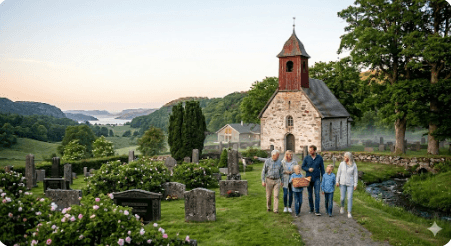
They also generally view death through a lens of pragmatic acceptance and communal honesty, treating it as a natural continuation of life rather than a taboo to be feared. This unique mindset is shaped by a high degree of secularism, a deep connection to nature and historical roots in Norse mythology.
Two unique rituals
In many Scandinavian cultures, especially in Sweden, there’s a strong sense of duty toward those left behind. They see death as a practical responsibility and, accordingly have two unique rituals:
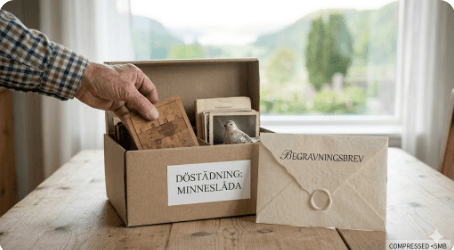
Döstädning (death cleaning) is rooted in the idea of "not being a burden." It reframes decluttering as an act of love, ensuring family members aren't overwhelmed by a lifetime of possessions.
Begravningsbrev: Many Swedes pre-plan their funerals, documenting their specific wishes for music and burial to ease the logistical weight on their heirs.
Unlike some cultures that prioritise "moving on" quickly or maintaining a "stiff upper lip," Nordic cultures often embrace grief as a long-term companion with radical emotional honesty.
The prevailing thought is one doesn't get over grief; they grow around it. It’s seen as a permanent part of one's story rather than an illness that needs fixing. Support is often expressed through quiet presence and silence rather than advice or platitudes. From a young age, death is explained in simple, honest terms, which reduces fear and confusion later in life.
While Scandinavia is among the most secular in the world, death remains deeply tied to tradition and nature. They focus on the here and now rather than a dominant belief in a supernatural afterlife, so the emphasis shifts to the legacy one leaves and how they are remembered by their loved ones. Funerals often emphasise nature-centric rituals, a return to the earth, with quiet processions through natural landscapes and a growing preference for green burials.
Norse people and the 'here and now'
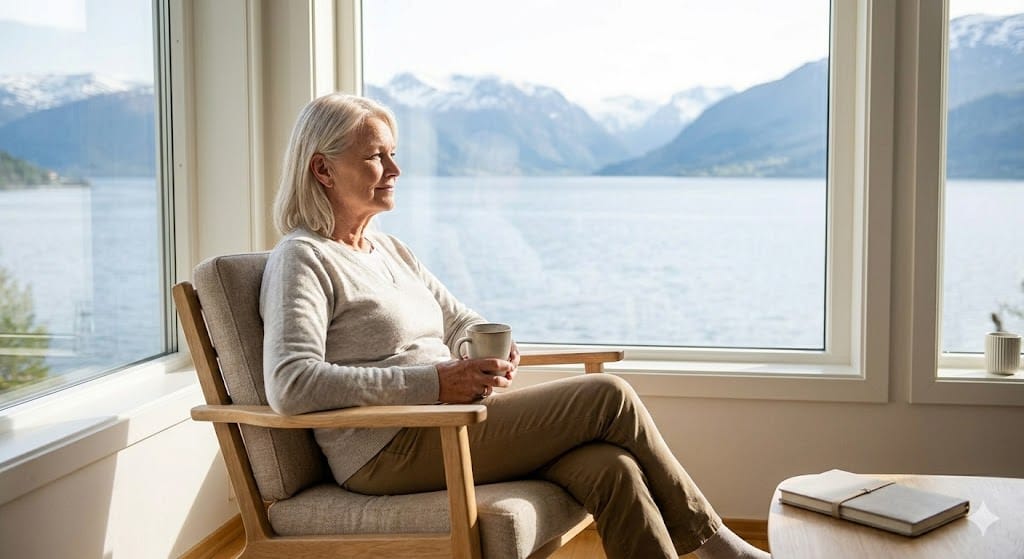
Historical Norse beliefs taught that death did not sever the connection between the living and the deceased. Instead it fosters continuing bonds. In pre-Christian times, the dead were often buried on family land and remained "present" as living ancestors in daily life; descendants would even visit burial mounds to seek advice. In the Norse worldview, "spiritual death" only occurred when one was forgotten. Therefore, a life well-lived and a name worth remembering were the ultimate forms of survival. They saw legacy as immortality.
It’s a mindful decluttering practice that involves organising and thinning out your possessions before you die so your loved ones don't have to do it for you. The term is a portmanteau of the Swedish words dö (death) and städning (cleaning).
While it may sound morbid, it’s intended to be a practical and often life-affirming process that simplifies your current life while easing the future burden on your family. It was popularised globally by author Margareta Magnusson in her 2017 book, The Gentle Art of Swedish Death Cleaning.
So what is Döstädning, or Swedish Death Cleaning?

Core principles of Döstädning
How to practice it:
An act of love: The primary goal is to spare survivors the logistical and emotional weight of sorting through decades of belongings during their time of grief.
Start early: Although often associated with those aged 65 and older, practitioners suggest starting as soon as you feel it would benefit you or your heirs.
Intentionality: It focuses on keeping only what’s meaningful or useful, rather than holding onto items out of guilt or habit.
A slow process: Unlike a quick "purge," it is seen as a permanent lifestyle shift and an ongoing habit of organisation.
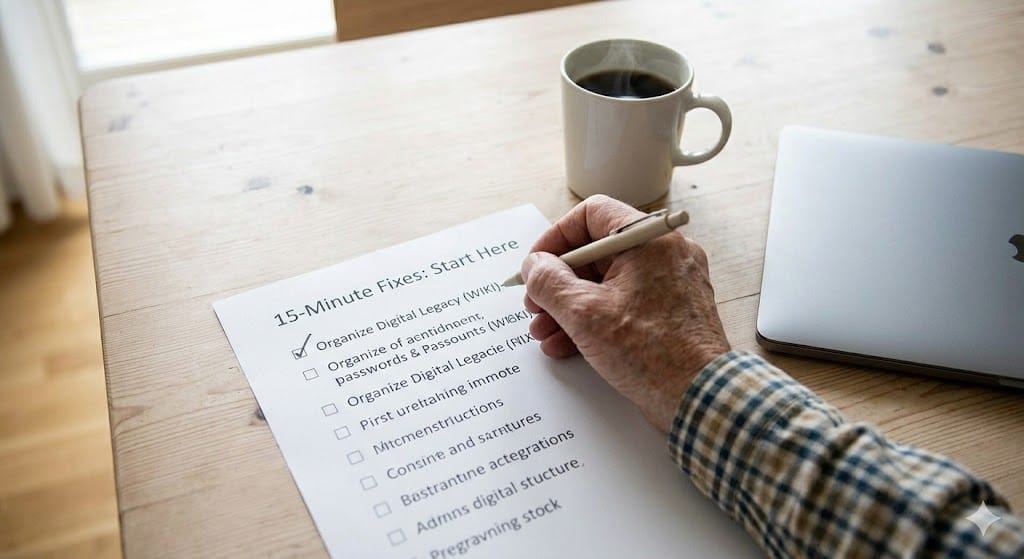
Start with large items: Tackle big furniture or appliances first to see immediate results before moving to smaller, more emotional items.
Save photos for last: Personal memorabilia can lead to "getting lost in memories," making it harder to stay productive; save these for when you have momentum.
The "throw away" box: Magnusson suggests keeping a box of private items—like old letters or diaries—that are meaningful only to you. Label it clearly to be thrown away unopened upon your death to protect your privacy.
Give things away: Instead of traditional gifts, consider giving cherished items to friends and family who would appreciate them now, allowing you to see them being enjoyed.
Be honest: Ask yourself, "Will anyone be happier if I save this?" If the answer is no, it's likely time to let it go.
Join us and share in our community
Got thoughts or just want to learn more either for yourself or for those you love?
Check out our latest newsletter and subscribe to keep getting hints, tips and ideas to make end-of-life planning a lot easier..
We’re planning to send the newsletters out regularly.
We’d be honoured to have you along for this journey with us.